

- Essential knowledge surrounding aviator for informed and calculated risk takers
- Understanding the Multiplier Dynamics
- The Role of the Random Number Generator
- Developing Betting Strategies
- The Importance of Bankroll Management
- Psychological Aspects of the Game
- Controlling Impulsive Behavior
- The Social Dimension of Aviator
- Future Trends and Innovations in Crash Games
Essential knowledge surrounding aviator for informed and calculated risk takers
The allure of watching an aircraft ascend, a silver silhouette against the vast expanse of the sky, is a captivating experience. It’s a visual metaphor for risk and reward, a dynamic interplay that’s increasingly translated into the digital world through the game known as aviator. The core principle is elegantly simple: the longer you watch the plane fly, the higher your potential multiplier climbs. But patience is a virtue easily tested, as the aircraft can disappear at any moment, causing you to lose your stake. This element of unpredictable timing is what fuels the excitement and defines the strategic core of the game.
More than just a simple game of chance, understanding the nuances of this popular title requires a grasp of probability, risk management, and psychological control. Players aren’t simply betting on a plane’s flight; they’re betting against its abrupt departure. Successfully navigating this virtual airspace involves analyzing patterns, employing betting strategies, and, crucially, knowing when to ‘cash out’ before the inevitable crash. It’s a compelling blend of adrenaline and calculated decision-making that has rapidly gained a following amongst online casino enthusiasts.
Understanding the Multiplier Dynamics
The multiplier is the heart of the aviator experience, and grasping how it functions is paramount to any successful strategy. At the start of each round, the multiplier begins at 1x and steadily increases as the plane ascends. This increase isn’t linear; it begins slowly, gaining momentum as the plane gains altitude. The rate of acceleration is determined by a sophisticated random number generator (RNG), ensuring that each round is entirely independent and unpredictable. This RNG is regularly audited by independent third-party testing agencies to guarantee fairness and transparency. Players are constantly trying to predict when the multiplier will peak, or, more accurately, when the RNG will trigger the plane's departure.
Many players mistakenly believe that observing previous rounds can predict future outcomes. This is a common fallacy known as the gambler’s fallacy. Each round is a fresh start, and past multipliers have absolutely no bearing on the outcome of the next one. However, analyzing historical data can offer insights into the average multiplier ranges and the distribution of crashes, helping players refine their risk tolerance and betting approaches. It's crucial to remember that this data represents trends, not guarantees.
The Role of the Random Number Generator
The RNG is the engine that drives the entire game. It's a complex algorithm designed to produce a sequence of numbers that are statistically random. A well-designed RNG ensures that every possible outcome has an equal chance of occurring. Reputable gaming providers employ certified RNGs that undergo rigorous testing to verify their integrity. These tests examine the randomness of the number sequences, looking for any patterns or biases that could jeopardize the fairness of the game. Understanding this underlying mechanism is essential; it underscores the fact that success in this game is not based on prediction, but on well-managed risk.
Furthermore, the RNG isn’t just responsible for determining when the plane crashes; it also influences the multiplier’s rate of increase. Subtle variations in the RNG output will result in subtly different multiplier curves, ensuring that no two rounds are exactly alike. This constant variability is what keeps the game engaging and prevents players from developing overly simplistic strategies.
| 1x – 2x | 40% | Low |
| 2x – 5x | 30% | Medium |
| 5x – 10x | 20% | High |
| 10x+ | 10% | Very High |
The table above illustrates approximate probabilities for various multiplier ranges. While actual percentages will vary, this gives players a general understanding of the risk-reward trade-offs involved. Lower multipliers offer more frequent, smaller wins, while higher multipliers come with a significantly greater risk of losing your stake.
Developing Betting Strategies
Given the inherent unpredictability of the game, developing a robust betting strategy is crucial. Many approaches are favored by players, each with its own strengths and weaknesses. One popular strategy is the ‘Martingale’ system, where players double their bet after each loss, aiming to recoup previous losses with a single win. While theoretically sound, the Martingale system requires a substantial bankroll and carries the risk of hitting the table limit, rendering it ineffective. Another common approach is to set a predetermined multiplier target and automatically cash out when that target is reached. This requires discipline and a clear understanding of your risk tolerance.
Successful players often utilize a combination of strategies, adapting their approach based on their current bankroll, their desired level of risk, and their observation of recent game behavior (keeping in mind the RNG's independence). It is important to note that no strategy can guarantee consistent wins. The key is to manage risk effectively and avoid emotional betting.
The Importance of Bankroll Management
Effective bankroll management is arguably the most critical aspect of playing aviator. It involves setting a budget for your sessions and sticking to it, regardless of whether you’re experiencing wins or losses. A common guideline is to never bet more than 1-5% of your total bankroll on a single round. This helps to minimize the impact of losing streaks and ensures that you have sufficient funds to continue playing. Furthermore, it's wise to set win targets and stop playing once you've reached them. Greed can be a powerful enemy in this game, leading to impulsive decisions and potentially significant losses.
Consider dividing your bankroll into smaller units, each representing a series of bets. When one unit is exhausted, it's a signal to take a break or even end the session. This helps to prevent you from chasing losses and making reckless bets in an attempt to recover.
- Set a daily or weekly bankroll limit.
- Never chase losses.
- Determine a risk percentage per bet (1-5%).
- Set realistic win targets.
- Take regular breaks.
Adhering to these guidelines will significantly improve your chances of maintaining a positive and sustainable gaming experience. Remember, the goal is not to get rich quick, but to enjoy the thrill of the game while minimizing your risk.
Psychological Aspects of the Game
Beyond the mathematical probabilities and betting strategies, the psychological element of this game is significant. The adrenaline rush of watching the multiplier climb, coupled with the fear of a sudden crash, can be incredibly compelling. This can lead to emotional betting, where players make impulsive decisions based on gut feelings rather than rational analysis. It’s vital to remain calm and objective, even during periods of intense excitement or frustration. Treat the game as a form of entertainment, not as a source of income.
Understanding your own emotional triggers is also important. If you find yourself becoming overly anxious or agitated, it may be time to take a break. Similarly, avoid playing when you’re feeling stressed or depressed, as this can impair your judgment and lead to irrational behavior. Maintaining a clear and focused mindset is crucial for making informed decisions and maximizing your chances of success.
Controlling Impulsive Behavior
One of the biggest challenges in this game is resisting the temptation to cash out too late in pursuit of a larger multiplier. This often stems from a fear of missing out (FOMO) or a belief that the multiplier will continue to rise indefinitely. To combat this, consider setting automatic cash-out points before each round begins. This takes the emotional element out of the equation and forces you to stick to your pre-defined strategy. Another helpful technique is to visualize the potential consequences of cashing out too late, reminding yourself of the risk of losing your entire stake.
Practicing mindfulness and self-awareness can also help you to identify and control impulsive tendencies. Pay attention to your thoughts and feelings while you're playing and challenge any irrational beliefs that may be influencing your decisions.
- Set automatic cash-out points.
- Visualize potential losses.
- Practice mindfulness.
- Take breaks when feeling emotional.
- Avoid playing when stressed or depressed.
These strategies can help you to remain grounded and make more rational decisions, ultimately improving your overall gaming experience.
The Social Dimension of Aviator
Increasingly, aviator isn’t a solitary pursuit. Many platforms now incorporate social features, allowing players to chat with each other, share strategies, and observe each other’s bets in real-time. This social aspect adds another layer of excitement and engagement to the game. It also provides opportunities for learning from experienced players and gaining valuable insights into different betting approaches. However, it’s important to be cautious about blindly following the advice of others, as everyone’s risk tolerance and playing style are different.
The shared experience of watching the plane ascend and hoping for a favorable outcome can create a sense of community among players. This can be particularly appealing to those who enjoy the social aspect of gambling. However, it’s important to remember that the game is still ultimately based on chance, and no amount of social interaction can guarantee a win.
Future Trends and Innovations in Crash Games
The popularity of crash games like aviator has spurred a wave of innovation within the online gaming industry. Developers are constantly exploring new ways to enhance the gameplay experience, introducing features like bonus rounds, leaderboard competitions, and provably fair systems. We can expect to see even more sophisticated RNG algorithms and increasingly realistic graphics in the future. The integration of virtual reality (VR) and augmented reality (AR) technologies could also revolutionize the way we experience these games, creating a truly immersive and engaging environment.
Furthermore, the social aspect of crash games is likely to become even more prominent, with platforms offering more opportunities for players to connect and interact with each other. The rise of streaming services like Twitch and YouTube has also played a significant role in popularizing these games, as viewers can watch skilled players in action and learn from their strategies. As the industry continues to evolve, it will be fascinating to see how these trends shape the future of crash gaming.

Top rated
-
 Mini version A40 wireless charger alarm clock with 3 grade brightness bedside lamp
R274,51
Mini version A40 wireless charger alarm clock with 3 grade brightness bedside lamp
R274,51
-
 [Everyday Comfort] Stylish Black Geometric-Patterned Nail Polish Organizer Bag - Double-Layer Case with Dividers for Nail Tools & Dryer, Waterproof PU Material, Perfect Gift for Women, Moms, and Girls, Travel Makeup Storage | Geometric Pattern Bag | Bag, Nail Polish Organizer Storage
Original price was: R436,00.R267,00Current price is: R267,00.
[Everyday Comfort] Stylish Black Geometric-Patterned Nail Polish Organizer Bag - Double-Layer Case with Dividers for Nail Tools & Dryer, Waterproof PU Material, Perfect Gift for Women, Moms, and Girls, Travel Makeup Storage | Geometric Pattern Bag | Bag, Nail Polish Organizer Storage
Original price was: R436,00.R267,00Current price is: R267,00.
-
 High End Multifunction BT5.3 Speaker Alarm Clock Pixel Animation 6 In 1 Magnetic Wireless Charger for Phone Smart Watch Earphone
R263,88
High End Multifunction BT5.3 Speaker Alarm Clock Pixel Animation 6 In 1 Magnetic Wireless Charger for Phone Smart Watch Earphone
R263,88
-
 USB-Powered Makeup Brush Cleaner - Battery-Free, Odorless, Essential Beauty Tool Accessory, for Return School
Original price was: R543,00.R196,00Current price is: R196,00.
USB-Powered Makeup Brush Cleaner - Battery-Free, Odorless, Essential Beauty Tool Accessory, for Return School
Original price was: R543,00.R196,00Current price is: R196,00.
-
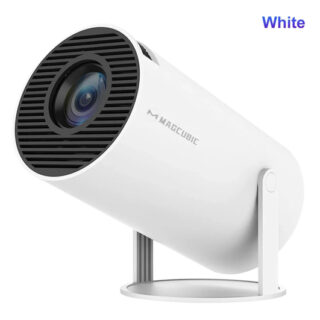 Mini Portable Pro 4K 720P Projector Cinema Outdoor Dual 260ANSI 2.4/5G WiFi6 BT 5.0 Video US
Original price was: R1552,58.R931,59Current price is: R931,59.
Mini Portable Pro 4K 720P Projector Cinema Outdoor Dual 260ANSI 2.4/5G WiFi6 BT 5.0 Video US
Original price was: R1552,58.R931,59Current price is: R931,59.
Products
-
 7-Color LED Light Mask - USB Rechargeable, Cordless Skin Care for Home & Salon Use
Original price was: R356,00.R265,00Current price is: R265,00.
7-Color LED Light Mask - USB Rechargeable, Cordless Skin Care for Home & Salon Use
Original price was: R356,00.R265,00Current price is: R265,00.
-
 USB Rechargeable Facial & Neck Massager with 3 Modes and Heat - Perfect Gift for Women, Mother's Day, Skin Massage Care Tool
Original price was: R212,00.R197,00Current price is: R197,00.
USB Rechargeable Facial & Neck Massager with 3 Modes and Heat - Perfect Gift for Women, Mother's Day, Skin Massage Care Tool
Original price was: R212,00.R197,00Current price is: R197,00.
-
 2/4/6pcs Refrigerator Stackable Space-Saving Organizer Bins, Fridge Transparent Bins with Handles, Kitchen Organizer Fruit Container, for Freezer, Pantry, Cabinets, Drawer And Shelves, Kitchen Supplies
Original price was: R665,00.R237,00Current price is: R237,00.
2/4/6pcs Refrigerator Stackable Space-Saving Organizer Bins, Fridge Transparent Bins with Handles, Kitchen Organizer Fruit Container, for Freezer, Pantry, Cabinets, Drawer And Shelves, Kitchen Supplies
Original price was: R665,00.R237,00Current price is: R237,00.
-
 Magnetic Car Phone Holder Mobile Cell Phone Holder Stand Magnet Mount Bracket In Car For IPhone 13 12 Samsung Redmi Xiaomi
Original price was: R184,00.R132,00Current price is: R132,00.
Magnetic Car Phone Holder Mobile Cell Phone Holder Stand Magnet Mount Bracket In Car For IPhone 13 12 Samsung Redmi Xiaomi
Original price was: R184,00.R132,00Current price is: R132,00.
-
 Cordless Vacuum Cleaner - Super Light, Suitable For Home And Car Use, With Powerful Suction, Capable Of Deep Cleaning Hard Floors, Carpets, And Pet Hair - Easy Vacuuming, Easy Cleaning
Original price was: R1975,00.R1235,00Current price is: R1235,00.
Cordless Vacuum Cleaner - Super Light, Suitable For Home And Car Use, With Powerful Suction, Capable Of Deep Cleaning Hard Floors, Carpets, And Pet Hair - Easy Vacuuming, Easy Cleaning
Original price was: R1975,00.R1235,00Current price is: R1235,00.
Leave a Reply